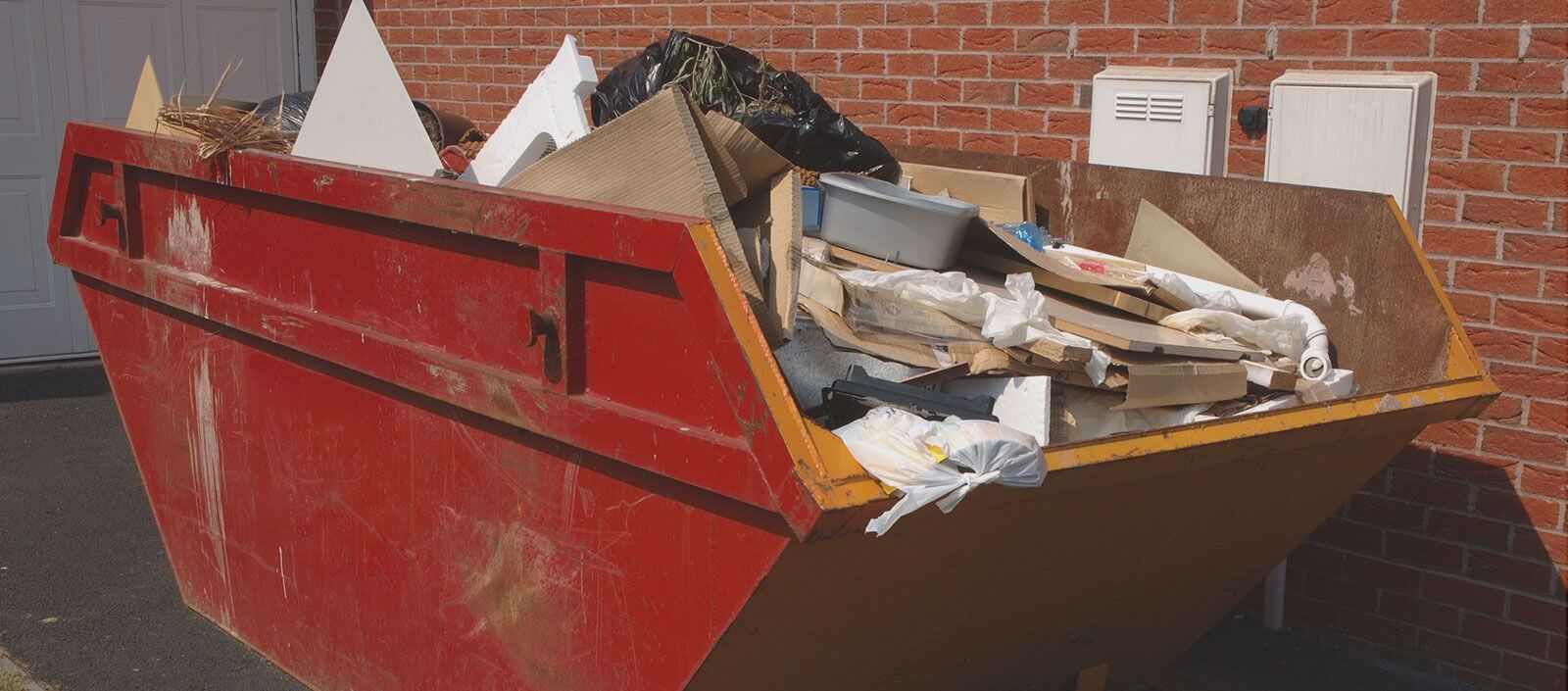
Richmond council rubbish disposal rules explained
Posted on 14/10/2026
If you have ever stood beside a pile of bin bags, a broken chair, and a half-finished DIY project and thought, "Right, what can actually go where?" you are not alone. Richmond council rubbish disposal rules explained properly can save you time, money, and a fair bit of annoyance. It also helps you avoid the classic mistake of leaving the wrong item out and hoping for the best. To be fair, that rarely ends well.
This guide breaks down the practical side of rubbish disposal in Richmond in plain English. You will get a clear sense of how household and bulky waste collection usually works, when a specialist removal service makes more sense, what compliance means in real life, and the common errors people make when they are trying to get rid of clutter quickly.
Whether you are clearing a flat near Richmond town centre, sorting out garden waste after a weekend tidy-up, or dealing with office items that have outstayed their welcome, the aim here is simple: help you dispose of rubbish properly and with less stress.
Why Richmond council rubbish disposal rules explained Matters
Rubbish disposal sounds simple until you are standing in front of a pile that includes food waste, cardboard, broken glass, old paint tins, and one mystery cable that no one can identify. That is usually when the rules start to matter. The main point is that waste has to be separated, presented, and removed in a way that protects people, keeps streets tidy, and reduces contamination in recycling streams.
In practical terms, following local rubbish disposal rules helps you avoid missed collections, blocked bin stores, awkward neighbour complaints, and the expensive mistake of mixing waste types. It also matters because not every item should be treated the same way. A bag of general household rubbish is one thing. A mattress, freezer, broken wardrobe, or bag of plasterboard is quite another.
There is a local rhythm to this in Richmond. Flats with limited storage, terraced streets with tight access, and busy households all create different disposal challenges. Some people need a quick clear-out after a move. Others are dealing with weekly waste that is just too bulky for the normal bin. The rules exist to keep all of that manageable.
Expert summary: The safest way to approach rubbish disposal in Richmond is to sort items by type, check what is accepted in your normal collection, and use a proper removal method for anything bulky, hazardous, or hard to recycle.
That is the short version. The longer version is where the real value sits, because the right method depends on the item, the volume, and how quickly it needs to go.
How Richmond council rubbish disposal rules explained Works
At a basic level, most rubbish disposal follows a few familiar steps: separate the waste, place it in the correct container or collection point, and make sure it is presented at the correct time. That sounds almost too neat, but it genuinely is the foundation of good waste management.
For everyday household waste, the system usually revolves around standard bin collections and recycling separation. For larger or awkward items, you may need an arranged bulky waste collection or an alternative removal method. For business premises, the approach is often stricter because commercial waste must be handled carefully and traceably.
Here is the part people often miss: the rules are not just about what goes out of the door. They are also about what should not go into mixed waste. Electrical items, chemicals, certain building materials, and items that can leak or break easily often need a different route. If you force everything into one bag, you are creating trouble for yourself and the collection system.
In Richmond, as in many London boroughs, waste handling typically works best when you think in categories:
- General waste: everyday non-recyclable household rubbish.
- Recycling: clean materials that can be processed separately.
- Food waste: kitchen scraps and similar organic waste, where collected.
- Garden waste: grass cuttings, branches, leaves, and similar material.
- Bulky waste: large items that do not fit in normal bins.
- Special waste: items needing careful disposal, such as some appliances or hazardous materials.
If you have a loft full of random stuff, a shed that has become a small archaeological site, or an office cupboard packed with old furniture, the same logic applies. Identify the waste type first. Disposal becomes much easier after that.
For many residents, a hybrid approach is the most practical. Everyday waste goes through normal collection. Bulky items are removed separately. Garden waste may need a specific service. And if you have a bigger clear-out on your hands, a dedicated removal option is often faster and cleaner than trying to wrestle everything into bin bags. A bit of planning goes a long way.
Key Benefits and Practical Advantages
There are real benefits to understanding rubbish disposal properly, and they are not just about staying on the right side of collection rules. The first advantage is obvious: less mess. The second is that your home, business, or building site becomes easier to manage. The third is a quieter, smoother process overall, which is no small thing when you are already dealing with clutter or renovation stress.
One practical benefit is better recycling. If materials are separated correctly, more of them can go through the right stream rather than ending up as mixed rubbish. That is better for the environment, but it is also better for efficiency. Mixed loads are messy loads. Simple as that.
You also reduce the risk of rejected waste. A rejected collection can leave bags on the kerb, attract pests, and create the very problem you were trying to solve in the first place. Let's face it, nothing says "bad afternoon" quite like discovering your rubbish was not taken.
For households, the main advantages are:
- fewer missed collections
- less clutter around the property
- easier recycling habits
- reduced risk of fly-tipping-style problems around shared spaces
- more confidence when clearing large items
For landlords, managing agents, and small businesses, the advantages are a little different:
- better site presentation for tenants, clients, or visitors
- less interruption to day-to-day operations
- clearer responsibility for waste streams
- lower chance of complaints about bin stores or access areas
And there is a time benefit too. A household with a sofa, a chest of drawers, and a couple of broken appliances can lose half a weekend trying to sort disposal. A structured approach saves that time. More importantly, it saves the second trip. And the third. We have all been there.
Who This Is For and When It Makes Sense
This guidance is for anyone in Richmond who needs to dispose of waste properly without guessing their way through it. That includes homeowners, tenants, landlords, small business owners, facilities managers, tradespeople, and anyone who has reached the point where the spare room is no longer spare.
It makes sense to pay close attention if you are:
- moving house and need to clear unwanted items quickly
- renovating a property or removing DIY waste
- dealing with old furniture or broken appliances
- tidying a garden after seasonal maintenance
- running a shop, office, or small commercial premises
- managing waste in a shared building
- sorting out a loft, garage, cellar, or storage area
It also makes sense if you are simply tired of the "we'll deal with it later" pile. Later has a habit of becoming next month, and next month becomes the thing you trip over while carrying a cup of tea. Annoying, really.
Some disposal choices are very straightforward. A few bin bags of normal household waste? Easy enough. A large corner sofa, several bags of renovation debris, and an old washing machine? Different story. The bigger the item and the less familiar the material, the more likely you are to need a proper waste removal method.
If you are unsure whether something counts as general rubbish, bulky waste, recyclable material, or something that needs separate handling, pause and check before you move it outside. That small pause can prevent a lot of hassle later.
Step-by-Step Guidance
If you want a practical way to tackle rubbish disposal in Richmond, use this process. It is simple enough, but it keeps you from making avoidable mistakes.
- Sort everything into categories. Separate general waste, recycling, food waste, garden waste, bulky items, and anything potentially hazardous.
- Check what is actually accepted. Do not assume that every item can go out with the normal bin. Some materials need separate handling.
- Measure the volume. A few bags may be manageable in the usual way, but a full room's worth of items usually needs a more organised removal approach.
- Identify awkward or heavy items early. Sofas, wardrobes, appliances, and builders' waste can be physically awkward and often need specialist handling.
- Choose the right disposal route. For small amounts, regular collections may be enough. For bulkier or mixed loads, a dedicated waste removal service is often more efficient.
- Prepare the waste properly. Flatten cardboard, empty containers where appropriate, bag loose rubbish, and keep sharp objects secured.
- Place items out correctly. If something is going for collection, make sure it is accessible and presented in the right way at the right time.
- Keep records if you are a business. Businesses should be able to show that waste was handled responsibly.
A good real-world rule is this: if an item would be awkward to lift, hard to move, unsafe to stack, or likely to contaminate other waste, treat it as a separate decision. That mindset saves a lot of confusion.
For example, an old armchair from a flat on a narrow street is not the same as a bin bag of household rubbish. It takes planning. Maybe two people. Maybe a bit of route checking through the hallway so you do not scrape the wall on the way out. Tiny detail, but it matters.
Expert Tips for Better Results
After dealing with enough clear-outs, a few practical habits stand out. The first is to sort before you move anything. People often start by dragging piles into the hallway, which looks productive for about five minutes and then becomes a bottleneck.
The second tip is to keep recyclables clean and separate. Dirty cardboard or food-soiled packaging can ruin a recycling load. It is a small thing, but those small things add up. Clean materials are easier to process, and the whole job feels less chaotic.
Third, deal with bulky items first if they are blocking access. There is nothing clever about working around a broken wardrobe for three hours when it could be the first item out. Get the big pieces gone, then handle the smaller mess beneath them. The room starts breathing again.
Fourth, think about safety while moving waste. Gloves help. Proper shoes help. Good lighting helps. If you are carrying broken timber or old appliances through a narrow staircase, take your time. A bit of caution beats a slip, every time.
Fifth, if you are disposing of mixed household clutter, make one simple decision at the start: what is going to normal waste, what can be recycled, and what is likely to need separate removal? That decision creates the structure that the rest of the job follows.
And one slightly more human tip: do not let sentimental clutter slow you down forever. A box of old cables is not a memory. Neither is a broken bedside table. Helpful to be honest about it, even if the object has been sitting there since 2012.
Common Mistakes to Avoid
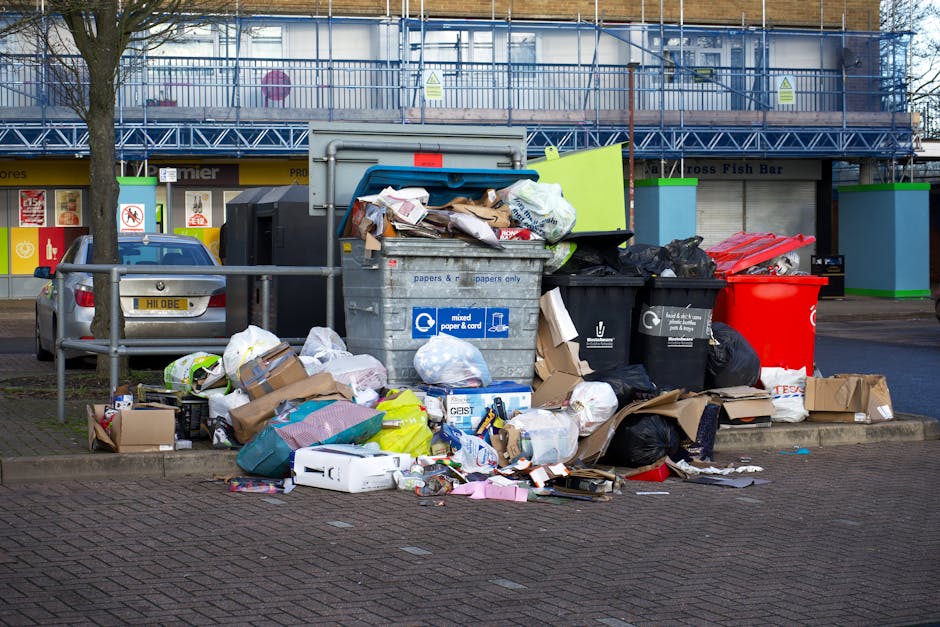
People usually get rubbish disposal wrong in a few predictable ways. The first is mixing waste types because it feels quicker. It rarely is. Mixed waste can lead to rejected collections or extra work sorting everything later.
The second mistake is putting out items too early. If waste is left outside for too long, it can become messy, obstructive, or vulnerable to being moved around. That is especially true for shared entrances and pavement areas.
The third mistake is underestimating how much waste there actually is. A room full of clutter can look small until you start bagging it. Then suddenly there are six bags, a chair, two broken shelves, and an old printer you forgot existed.
Other common mistakes include:
- leaving sharp objects unprotected
- putting electrical items into the wrong stream
- assuming all garden waste is accepted the same way
- trying to move heavy items alone when they need two people
- ignoring business waste responsibilities
- forgetting that access routes matter, especially in flats and narrow hallways
There is also a mindset mistake: believing that a bit of disorder now is easier than doing things properly. Sometimes that is true for five minutes. After that, the mess grows legs. Better to sort it once and sort it correctly.
Tools, Resources and Recommendations
You do not need complicated equipment to manage waste well, but a few simple tools make the job far easier. Sturdy gloves, strong refuse sacks, labels, a marker pen, and a trolley or sack truck for heavier items can save your back and your patience.
If you are dealing with a larger clear-out, clear bags are useful because they let you see what is inside. That can be helpful when sorting mixed items. A roll of tape, a utility knife for flattening cardboard safely, and a dustpan and brush also come in handy. Nothing glamorous, but practical.
When the job is larger than a standard household tidy, it can help to look at dedicated removal options rather than trying to force everything into the normal routine. Some people also prefer a specialist clear-out service when they need a fast turnaround or have awkward items to move. For that kind of job, pages like rubbish collection in Richmond and waste removal services are useful starting points.
If the waste includes furniture, appliances, garden cuttings, or mixed household items, the most suitable option depends on what you have and how quickly you need it gone. You may find it helpful to compare specific service pages such as furniture disposal, white goods and appliance disposal, garden waste removal, or house clearance.
For larger jobs involving renovation debris, builders waste disposal is often the relevant route. For offices, there is also office clearance. Different waste, different job. It is worth matching the service to the waste rather than hoping one size fits all.
If you are planning a broader tidy-up or want to understand what other service categories are available, a quick look at the services overview can help you narrow things down without guesswork.
Law, Compliance, Standards, or Best Practice
Waste disposal is not just a housekeeping issue. In the UK, there are responsibilities around how waste is stored, transferred, and handled, especially for businesses and anyone arranging removal for someone else. The exact requirements depend on the type of waste, who produced it, and who collects it, so it is wise to avoid casual assumptions here.
For households, the main best practice is to dispose of waste in the correct stream and present it properly for collection. For businesses, there is usually more to think about: duty of care, proper documentation, responsible transfer, and making sure carriers are legitimate. If you are arranging removal for a workplace or rental property, that matters a great deal.
That is why many customers prefer a provider that clearly sets out compliance information, insurance, and security practices. If you want to understand those basics in more detail, the pages on waste carrier licence and compliance, insurance and safety, and payment and security are worth a look.
Best practice is straightforward, even if the rules behind it can feel fiddly:
- use a lawful carrier for removal work
- keep waste streams separate where possible
- do not dump waste outside just because it is convenient
- handle electrical and potentially hazardous items carefully
- keep evidence of responsible disposal where appropriate, especially for business waste
If you are not certain whether an item is classed as special waste or just awkward rubbish, ask before moving it. That is a small step that can prevent a much bigger headache later.
Options, Methods, or Comparison Table
There is no single best method for every situation. The right choice depends on volume, item type, access, speed, and how much lifting you want to do yourself. Here is a simple comparison to make the decision easier.
| Method | Best for | Pros | Limitations |
|---|---|---|---|
| Regular household bin collection | Small amounts of everyday rubbish | Simple, routine, low effort | Not suitable for bulky items or mixed clear-outs |
| Recycling separation | Clean materials like cardboard, cans, and suitable plastics | Efficient and environmentally better | Contamination can cause rejection |
| Bulky waste removal | Furniture, appliances, and oversized household items | Handles awkward objects properly | Needs planning and correct item classification |
| Garden waste removal | Green waste from outdoor maintenance | Useful after pruning, clearing, or landscaping | Not all mixed garden loads are suitable |
| House or office clearance | Larger mixed clear-outs | Fast, organised, less lifting for you | Best when the whole space needs clearing |
If you want the simplest rule of thumb, use the normal system for normal waste, and use a dedicated removal method for anything bulky, awkward, or time-sensitive. That keeps things tidy without overcomplicating it.
Case Study or Real-World Example
Here is a typical scenario. A Richmond household is clearing a two-bedroom flat after a move. The owners have a broken bed base, three bags of general rubbish, a stack of cardboard boxes, an old microwave, and a tired armchair that has probably seen better days. At first glance, it feels like "just a bit of clutter." Then the hallway fills up, the lift is too small for the chair, and the cardboard keeps unfolding itself like it has a personality.
The better approach is to sort everything before moving it outside. Cardboard goes flat and clean. General waste is bagged securely. The microwave is separated as an appliance rather than mixed in with rubbish. The bed base and armchair are treated as bulky items. Suddenly the job is organised rather than chaotic.
In a similar office scenario, old chairs, archived paper, and a dead printer pile up in the corner of a meeting room. If the team waits too long, that one corner becomes a permanent exhibit. A planned clearance clears the space in one go, and the office feels lighter. There is a noticeable difference when a room stops looking like storage.
That is the real value of understanding disposal rules: fewer surprises, fewer delays, and less physical faff. Not dramatic, maybe. But genuinely useful.
Practical Checklist
Use this checklist before you put anything out for disposal or book a removal service.
- Have I sorted waste into clear categories?
- Do any items need special handling?
- Are the recyclable items clean and dry?
- Have I flattened cardboard and secured loose materials?
- Are sharp or heavy items packed safely?
- Do I know whether the items are bulky waste, general waste, or something else?
- Is access to the waste area clear and safe?
- Do I need help lifting anything large or awkward?
- Am I dealing with household waste, business waste, or a mixture?
- Do I need a specialist removal service for speed or convenience?
If you can tick off most of those points, you are usually in a good place. If several of them are uncertain, stop and reassess before the pile grows legs again.
Get a free quote today and see how much you can save.
Conclusion
Richmond council rubbish disposal rules explained in plain language come down to a few sensible habits: sort waste properly, use the right disposal route, avoid mixing materials that should stay separate, and take bulky or awkward items seriously. Do that, and the whole process becomes much smoother.
The big win here is peace of mind. You know what is going where, you reduce the chance of rejected waste, and you avoid turning a simple clear-out into a long weekend ordeal. That is worth quite a lot, honestly.
If you are dealing with anything beyond a few bin bags, it usually makes sense to compare the practical options early rather than leave it until the clutter starts taking over the room. A bit of planning now saves a lot of dragging, sorting, and muttering under your breath later on. And that is a good trade.
Clear waste responsibly, keep the process simple, and give yourself a bit more breathing room at home or work. Small job, big difference.